With a remake now in pre-production it became necessary to review the original for those not yet acquainted with this elegant masterpiece. Originally intended for late night television, this little gem found wider success at midnight showings, double features and various budget VHS and DVD releases.
Joe Spinell cannot die. Yet he has been dead for almost fourteen years. The sweaty, pock-marked Maniac is a beloved figure in retro slasher history, but he did several movies that were essentially variations of the same figure. We’ve been blessed with Spinell popping up every few years in another long lost lumbering, muttering role.
Studio tampering is a time (dis)honored tradition in the slasher genre. Horror House, A.K.A. The Haunted House of Horror, a forgotten little British chiller, is an early example of a studio destroying a film by radically changing storylines with unnecessary reshoots made without the director’s input.
This is a difficult one. Along with The Last House on the Left (1972), this is one of those unpleasant 70’s rape-revenge flicks that makes its audience feel dirty for watching a woman being brutalized, and then for cheering her (or her surrogates) on as she seeks revenge.
Sleepaway Camp is a bit of a contradiction. It’s a third-tier Slasher from the sub-genre’s Golden Era, however, it’s a flick that every Slasher fanatic absolutely must see, and its ending is a bonafide Slasher classic.
Highway horror is nothing new. The Car, The Wraith and other roadkill flicks such as The Hitcher have used wide-open spaces as inhospitable places of terror. Vehicular manslaughter was certainly seen in a new light after movies like Christine and Maximum Overdrive featured the car as an evil, unstoppable killer.
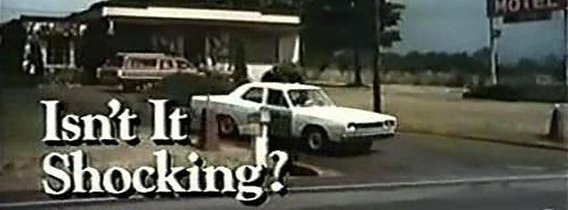
Before John Badham became the iconic director behind Saturday Night Fever (1977) and War Games (1982), he cut his teeth on the small screen. Badham worked mostly in episodic television and Isn’t it Shocking? was his 2nd made for TV movie, released in 1973 (his first film No Place to Run aired the year before).
During the heyday of slashers in the early 1980’s, countries around the world were eager to cash in on the boom. International production companies did everything within their power (and budget) to disguise their film’s country of origin, sometimes actually doing the extra paperwork, hopping on a plane, and shooting on location in the good old US-of-A.
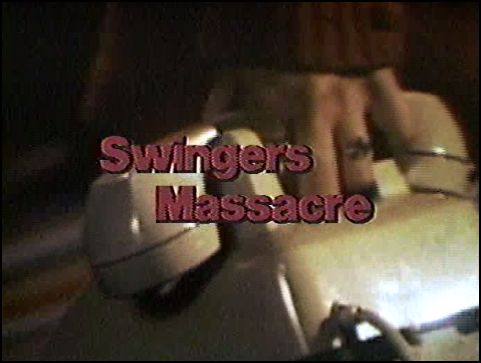
If I am ever able to go back in time to 1975, the first place I’m heading to is Filthy McNasty’s. Yes, I am. It is quite possibly the coolest and creepiest club I have ever seen. This is where the swingers of 70s Los Angeles meet and greet, and… uh… well, you know. The band is hot but the club patrons are not. The place is teeming with extremely sweaty people who are that time capsule of 70s swinging that we tend to idealize into beautiful and perfect creatures. While some of the women are attractive, there is not much in the way of romanticizing here.
Camp Motion Pictures new release The Basement includes Video Violence and Video Violence 2, two sov slashers I love more than I should. Having both films on one disc is great since tracking down the films on vhs is a damn difficult task. The first Video Violence, which tells the story of a video store owner who discovers his customers are producing snuff films, is really a time capsule that captures the look and feel of the Mom & Pop video stores during the early days of vhs. In Video Violence 2, killers Howard and Eli have graduated from snuff films to cable tv stars who torture their guests and show home movies sent in by fans. It sort of like America’s Funniest Home Videos with blood and boobies.
The first special feature on the disk I’ll focus on is the interview with director Gary P. Cohen. Mr. Cohen reveals he was inspired to make Video Violence when a woman with two small children walked into his video store and rented I Dismember Mama for her kids to watch. The woman didn’t care about the violence or gore in the film, it was kid friendly as long as there was no nudity. Cohen, horrified by the encounter, decided to turn the situation into a low budget horror film with the help of writer Paul Kaye. Cohen also goes into detail about the making of Video Violence 2 and Captives, a film butchered by another video company and released as Mama’s Home. The interview is sprinkled with bloopers from the first Video Violence and shots of the special effects crew working behind the scenes. At the end of the interview Cohen makes it clear he’s willing to make Video Violence 3 if the fans want it.
(Don’t tease us Gary, just get to work on it.)
Both films feature commentary tracks with Gary Cohen, special effects guys Mark Dolson and Mark Kwiatek, co-writer Paul Kaye, and actors Art (Mr. Emery) Neill, David (retarded hillbilly vampire) Christopher, and Uke (Eli). The commentary track on the first film is full of behind the scenes anecdotes and laughter. At one point someone suggests the best way to watch Video Violence is with plenty of friends, beer, and chips. They encourage the fans to talk and laugh along with them during the slow bits between murders.
There are fewer behind the scene stories on the second audio track because Cohen seems to be the only one who remembers making Video Violence 2. Uke and the effects crew admit they were distracted during filming by the lovely Elizabeth Lee Miller, who spent most of the shoot tied up and topless. One of the funniest moments during the second commentary occurs when David Christopher watches the acts of depravity filmed in his actors studio. Christopher, who allowed Cohen to use the studio on weekends to film the “Howard and Eli” portion of the film, had not seen Video Violence 2 until the recording of the commentary track and his horrified reactions are hilarious.
The final extra is the Camp Video Vault which features trailers for Cannibal Campout, Woodchipper Massacre, Ghouls School, Video Violence, and Video Violence 2.